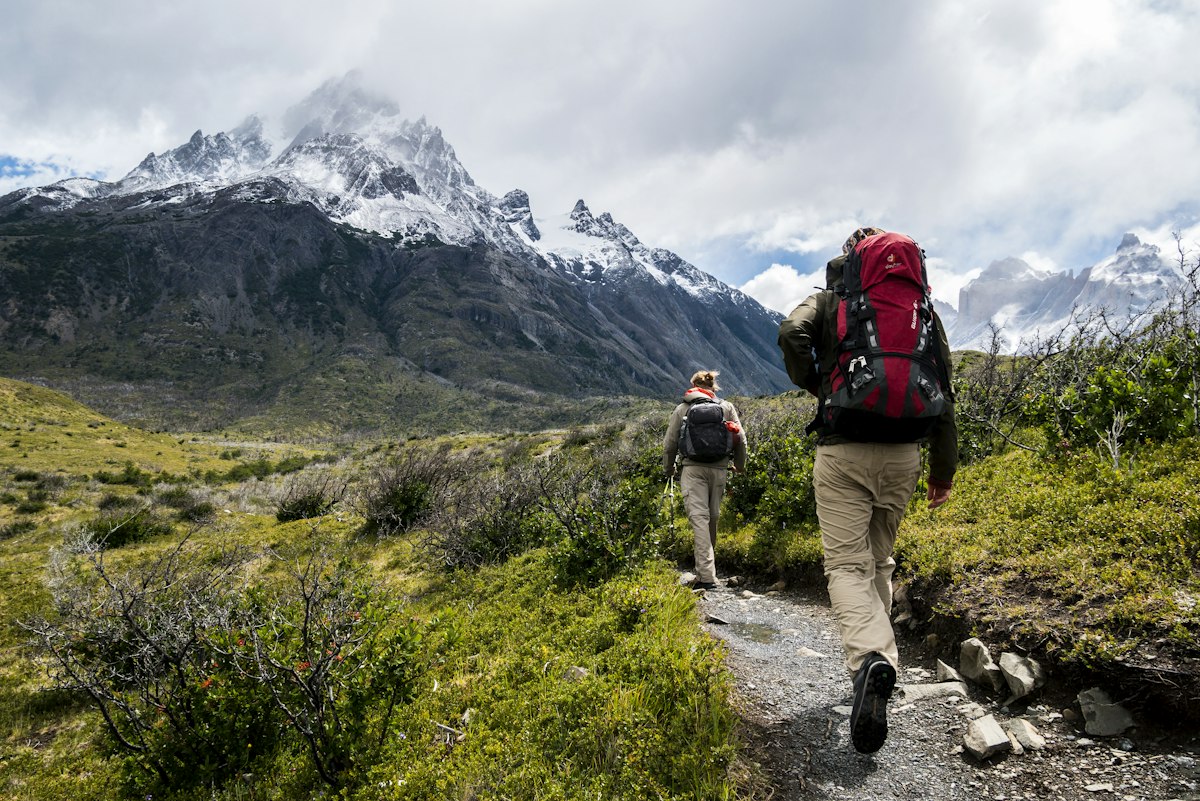
After two decades of guiding alpine routes across the Alps, the Himalaya, and the Cascades, I've seen more trips end early — and more summit days wasted — due to boot problems than almost any other single factor. Blisters from poor fit, cold feet from inadequate insulation, crampon detachment from incompatible boots: these are avoidable problems that start with one decision you make before you leave home.
Understanding Boot Categories
Mountaineering boots fall into three broad categories, each designed for different terrain, altitude, and conditions. The most common mistake is buying a boot rated beyond what you actually need, which results in a heavy, stiff boot that makes easy terrain miserable.
Light hiking boots (C1)
These are essentially reinforced hiking boots with some crampon-compatible features. They work for glacier travel on established routes, moderate snow slopes, and easy alpine terrain below 4,000m. They accept strap-on crampons only, and typically have a semi-rigid midsole. If you're planning the Tour du Mont Blanc or行走在阿尔卑斯山脉的标准路线上 without technical terrain, these might suffice — but they're genuinely inadequate for anything beyond established trekking routes.
Mid-weight alpine boots (C2)
The workhorse category. Most serious alpine climbers use C2 boots: they're compatible with semi-automatic crampons, suitable for technical terrain up to about 5,500m, and insulated enough for year-round use in most mountain environments. Boots like the Scarpa Charmoz, La Sportiva Trango, and Meindl Perfex represent this category well. They accept both strap-on and semi-auto crampons, and can handle mixed terrain, moderate ice, and sustained glacier travel.
Expedition double boots (C3)
Above 6,000m, or for serious winter routes in the Alps, you need the insulation and rigidity of double boots. These come as either a detachable inner/outer system (like the Scarpa Vega) or a one-piece plastic boot (like the La Sportiva Olympus). Double boots are heavy — typically 2-3kg per pair — and stiff enough that you're essentially locked into a flat-sole crampon system. They're not pleasant to walk in on easy terrain, but they'll keep your feet warm at -30°C and accept automatic crampons reliably.
Getting the Right Fit
Fit is the single most important factor in boot selection, and it's where most people go wrong. Alpine boots should fit differently from running shoes: your toes should touch the front of the boot when your foot is fully relaxed, because when you descend, your foot slides forward and toes will otherwise slam into the toe cap repeatedly.
Here's my practical fit test: stand with your heel firmly against the back of the boot. You should be able to fit exactly one finger — not your whole hand, one finger — between your longest toe and the front of the boot. More space than that and you'll develop blisters on the instep from foot slide; less and your toes will be crushed on descents.
Boot brands fit differently. Italian makers like Scarpa and La Sportiva tend toward a narrower, lower-volume foot with a more downturn toe. Austrian and German makers like Salewa and Meindl often suit wider, higher-volume feet. Always try boots in the late afternoon — feet swell through the day, and a boot that fits fine in the morning can be painfully tight by evening.
The Break-In Reality
Modern leather/n synthetic boots require far less break-in than the fully leather boots of previous generations, but you still need to walk in them before your route. Plan at least three or four full days of hiking in your boots with a loaded pack before any serious climb. Pay attention to any hot spots — they indicate areas that will become blisters.
Weight Considerations
For every kilogram added to your feet, your body expends roughly 5-10% more energy over a full day of climbing. A heavy double boot for a moderate alpine route is genuinely counterproductive: you tire faster, your technique suffers, and you're more likely to make mistakes. Match your boot weight to the terrain.
For technical routes where you need the stiffness and precision, heavier boots make sense. For long approaches and moderate terrain, lighter boots will leave you fresher when the real climbing begins.
Sole Types and Mountaineering Performance
Most serious mountaineering boots use a Vibram outsole. The specific tread pattern matters: deeper lugs for soft snow and trail approaches, flatter patterns for technical terrain where you want maximum surface contact on rock. Some boots have a defined heel breast for comfortable front-pointing in ice climbing; others don't. If you're planning technical routes, check whether the boot accommodates your preferred crampon system and climbing style.
What to Actually Buy
For most climbers reading this, I'd suggest the following practical advice: buy mid-weight alpine boots (C2) that are compatible with semi-automatic crampons, in a leather or leather-synthetic hybrid upper, with Gore-Tex lining. They'll handle 95% of alpine routes worldwide, work with most crampon systems, and fit a wide range of foot shapes. Only upgrade to double boots if your specific route plan demands it.
Brands I'd trust from personal experience: Scarpa, La Sportiva, Meindl, Lowa, and Salewa all produce reliable boots. Avoid buying purely on brand reputation — fit matters more than brand. A perfectly fitted boot from a lesser-known manufacturer will serve you better than a prestigious boot that doesn't match your foot shape.
Related Articles
- Mountaineering Boot Care Guide — Keep your boots performing for years
- Crampon Size Calculator — Find your correct crampon size
- Cold Weather Layering Guide — Complete clothing system for alpine conditions