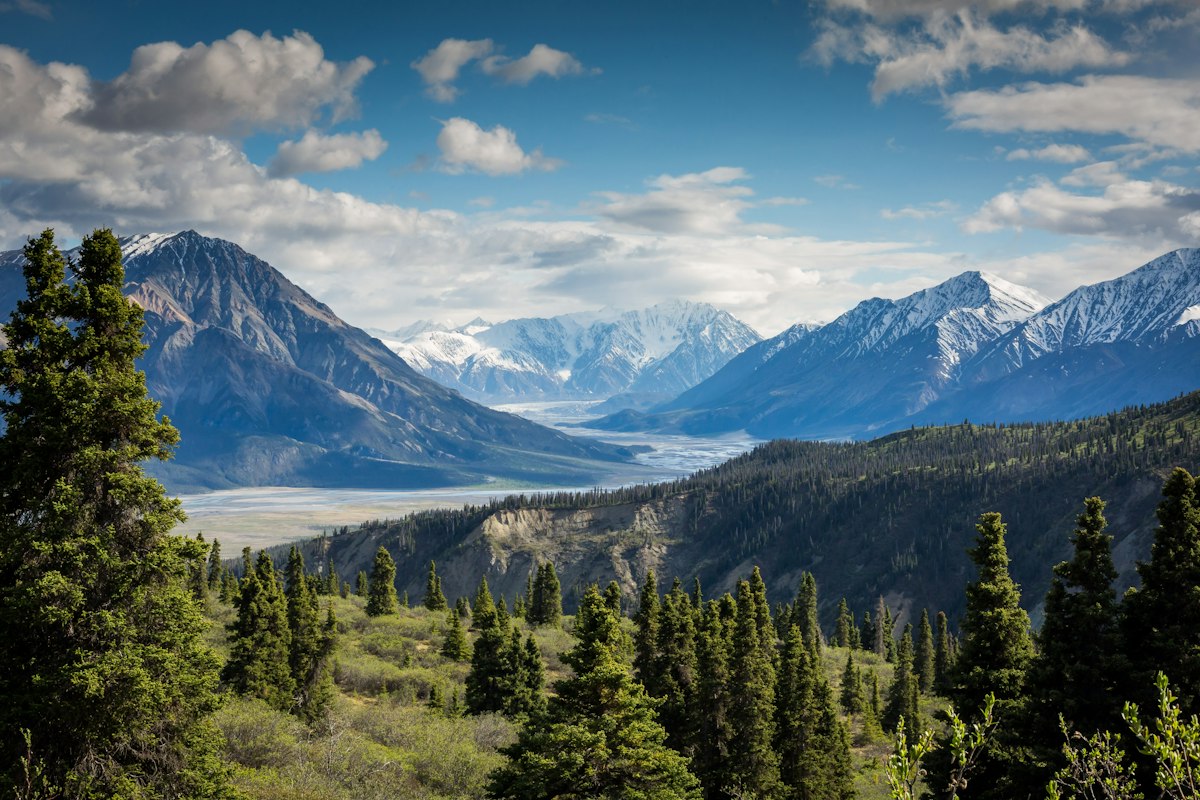
The mountains are not empty. I've climbed routes where the summit register was surrounded by food wrappers, seen snow patches above 3,000m scarred by human waste, and watched climbers walk past fragile alpine flowers without a second thought. The alpine environment is fragile in ways that lowland environments aren't: the growing season is measured in weeks, not months; the soil is thin; and the ecosystems take decades to recover from disturbance. What we leave behind matters.
Human Waste Disposal
This is the issue most climbers avoid discussing and most ignore adequately. At altitude, human waste doesn't decompose rapidly — the cold, UV exposure, and lack of microbial activity mean that waste buried in snow or shallow soil persists for years. Above the snowline (approximately 2,500-3,000m in the Alps), the recommended approach is to pack it out. Commercially available waste bags (like the Cleanwaste system) contain the waste in a gel that neutralizes odor and allows transport out.
At lower altitudes, bury waste in a cathole at least 15cm deep, at least 100m from water sources. Toilet paper should also be packed out or buried deeply — toilet paper buried in shallow snow doesn't decompose for years, and I've seen it emerge from snowmelt in summer as an intact item. On popular routes, the accumulation of human waste near high camps and summits is a genuine environmental problem that most climbers prefer not to think about.
Respecting Wildlife and Vegetation
The fragile alpine meadow takes decades to recover from a single footprint. In heavily trafficked areas like popular base camps, the vegetation is often destroyed, and the bare soil that replaces it erodes into the streams below. Stick to established trails where they exist. On snow, walk in a single file line to minimize the area disturbed. On rock, the impact is minimal, but be aware that even rock can be damaged by careless footwork — I've seen ancient summit cairns knocked over by careless climbers using them as handholds.
In alpine meadows, stay on the trail. The flowers you came to see are the first thing that disappears when trails are created. In many protected areas, alpine meadows are designated as botanically sensitive zones — obey local guidance.
Noise and Crowds
The mountain silence is part of why people climb. Loud music, excessive chatter on an exposed ridgeline, and shouting to communicate across a crevasse field all diminish the experience for others. In popular alpine areas during peak season, the crowds themselves are the environmental problem — the Alps' most popular peaks see hundreds of climbers on fine weekends. Choose your timing to avoid the worst crowds: weekday ascents are quieter than weekends; early season (before July) is quieter than mid-summer; shoulder seasons (June, September-October) offer the best combination of quiet conditions and stable weather in many ranges.
Waste and Gear Management
Carry out everything you carry in, including food wrappers, energy gel packets, and tape. A small stuff sack for rubbish should be part of your standard gear. On multi-day trips, plan your food to minimize packaging — buying in bulk and repackaging reduces the volume of packaging you'll need to carry out. Discarded gear (old ropes, broken ice axes, abandoned camping equipment) is an increasingly common sight on popular alpine routes. If you encounter such debris, consider carrying out what you can. A single discarded ice axe represents decades of potential environmental impact.
Related Articles
- Planning Your First Expedition — Planning with environmental awareness
- Cascade Volcano Climbing — Respecting sensitive volcanic environments
- Winter Summit Preparation — Winter environmental challenges